

Healthcare SectorSkill India Sector Blogs Introduction...
Read More
 Skip to content
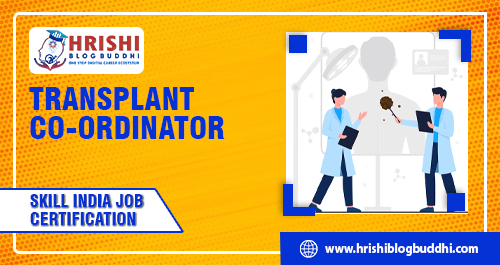
If you’re wondering how to become a Transplant Coordinator, this article will guide you through the process. Transplant coordinators are in charge of overseeing all parts of transplant procedures. They keep track of their patient’s health both inside and outside of the operation room. Working with medical data, arranging procedures, teaching possible organ recipients, and advising donor families are all part of their job. Transplant coordinators are essential for safe and efficient transplants because they relieve donor and patient stress. These coordinators are typically engaged by hospitals and other medical institutes. They often work standard business hours. They collaborate with physicians and other medical personnel to analyze and screen both donors and recipients. So, if you’re interested in learning how to become a Transplant Coordinator, keep reading for more information.
Throughout the transplant, the coordinator assists the patient and close family by explaining the procedure. They assist with all documentation and paperwork, as well as provide moral support.
The transplant coordinator communicates with the patient, the patient’s relatives, the surgeon, and the donor, as well as the donor’s immediate family, to arrange all aspects of the transplant. To get to know more about the roles and responsibilities of a Transplant Coordinator, keep reading the article.
Transplant coordinators can be found working in a variety of settings. Transport coordinators are typically employed at hospitals or other medical facilities. Transplant coordinators may work on a range of nursing shift patterns, such as eight-, ten-, or twelve-hour shifts because they are nurses. They may also be required to work on-call hours in the event of an emergency or a time-sensitive case.
They might be filling paperwork at an office, visiting patients, families, or other hospital personnel in a hospital, seeing patients in a clinic or doctor’s office or raising donor awareness at a school or business conference.
The number of individuals waiting for organ donations is growing, but there is still a need for more donors. As a result, several organizations have been formed to encourage organ donation. As a result, more transplant coordinators are in high demand these days. Internal growth options inside a clinic may exist, such as senior coordinator or senior educator.
To become a coordinator, you must have a variety of talents and training. Excellent bedside manner and a professional demeanor are essential in this employment. To obtain this position, you must put in a lot of effort.
Healthcare SectorSkill India Sector Blogs Introduction...
Read MoreHealthcare SectorSkill India Sector Blogs Introduction...
Read MoreHealthcare SectorSkill India Sector Blogs Introduction...
Read MoreHealthcare SectorSkill India Sector Blogs Introduction...
Read More