

Applied Arts Trending Career BLOGS Introduction...
Read More
 Skip to content
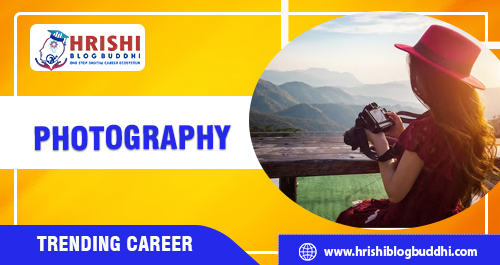
Photography is the art of recording light, color, and situations to capture or create genuine photographs. The ‘image sensor’ or photographic film in a camera is used to create a photograph. Photography is a unique form of self-expression, and an increasing number of people are turning their passion into a career. Many wonder, “How to become a photographer?” and this article aims to answer that.
Photography as a profession offers limitless possibilities and expertise. It allows you a great deal of freedom. With the fast expansion of the advertising and media industries, career prospects in photography have grown massively. The average income after completing a photography education is between INR 3,50,000 and INR 4,50,000 per year. So, if you’re asking “How to become a photographer?”, a professional education in photography can be a good start.
Photography courses include a wide range of topics related to the art of capturing photographs. Photography classes are for individuals with a creative eye and a desire to learn more about photography. Admission to various photography courses, such as certificate programs, undergraduate photography programs, and graduate photography programs, is based on merit or an entrance exam. These courses can guide you on “How to become a photographer?”.
To become a photographer or work in this field, you must satisfy certain educational requirements. These certifications will enable you to begin a career in the arts and crafts field. The following are the criteria:
Aside from these fundamental characteristics, the applicant should also possess certain unique talents. These skills will distinguish them from the competition. Let’s take a look at some of the skills that photographers require.
When shooting photos, photographers must pay close attention to the details. They must be able to capture light and color, as well as consider all aspects of each photograph. They must, however, be detailed in film editing. They must find and correct any minor flaws in each image. Photographers must be well-organized as well.
Self-employed people must know how to promote themselves. They need to take care of bookkeeping and maintain track of their costs and revenues. They must also be aware of legal problems, such as obtaining a signed model release form if taking photographs of people for commercial purposes.
Photography is an art form. As a result, it needs a creative mind and a lot of creativity. A skilled photographer must be able to take something and interpret it in a million different ways. Composition is everything in photography, as you may have heard. You may use some fundamental composition guidelines to help you. But, at the end of the day, the best guide for outstanding compositions is creativity.
Working as a professional photographer involves interacting with others. It may be a customer, a model, or maybe a photographer you know. As a result, becoming a successful photographer necessitates strong interpersonal skills. It's one of the most important characteristics of a photographer. You'll also need to network to secure clients and partnerships, so understanding how to connect and communicate successfully with people is crucial.
Making it as a professional photographer requires a lot of time and work. Those that succeed and establish a name for themselves are those who are dedicated to their profession. Passion drives the photographer, and it will always push you to work harder.
Candidates should also have some computer and technical knowledge. Photographers should have the following IT skills:
For photographers, Adobe Photoshop has long been the industry standard image-editing program. It's a comprehensive and powerful application. It can be used by photographers of all skill levels with remarkable ease.
The skill of creating digital pictures — photographs, printed texts, or artwork – with a digital camera or image machine, or by scanning them as a document, is known as digital imaging.
A creative picture collage with the inclusion of extra or unreal items is known as photo manipulation. Some photographers dislike it and prefer to stick to the fundamentals of picture editing, such as color correction and portrait retouching. Some photographers and digital artists, on the other hand, are excited to try Photoshop's boundaries.
| Eligibility | Course |
|---|---|
| 10+2 from any stream | Certificate Course in Photography |
| 10+2 from any stream | Diploma in Photography |
| Bachelor’s degree in any stream | Postgraduate Diploma in Photography |
| Bachelor’s degree in any stream | Master’s in Photography |
Internships are a great way for aspiring photographers to get their careers started in the profession. Lighting, post-processing, and other technical concerns will be covered at photography school. Working as an intern, on the other hand, will provide you with information and abilities that you won’t learn in the classroom. A photography internship allows you to apply what you’ve learned in the classroom to real-life settings.
An internship will provide you a behind-the-scenes look at a studio or assisting a photographer. Internships can be paid or unpaid. A paid internship is ideal, but they are difficult to obtain. Another significant advantage of a photography internship is the opportunity to gain knowledge more about your career goal. As an intern, you’ll have more opportunities to network with industry experts. It will assist you in moving further in your career.
| Exam | Description |
|---|---|
| NID DAT | National Institute of Design Design Aptitude Test |
| CEED | Common Entrance Exam for Design |
| AIEED | All India Entrance Examination for Design |
| NIFT | National Institute of Fashion Technology Entrance Exam |
Photographers work in studios, on-site, or at events, using cameras to record moments for professional purposes. Daily tasks include setting up lighting and props, shooting events, creating portfolios, and editing photos using tools like Photoshop.
| Job Profile | Description |
|---|---|
| Photojournalist | Captures newsworthy events |
| Fashion Photographer | Shoots photographs for fashion magazines, designers, or models |
| Wildlife Photographer | Captures images of wildlife in their natural habitats |
| Event Photographer | Covers weddings, parties, and corporate events |
| Portrait Photographer | Takes pictures of individuals or groups of people |
Applied Arts Trending Career BLOGS Introduction...
Read MoreApplied Arts Trending Career BLOGS Introduction...
Read MoreCareer in Applied Arts Trending Career...
Read MoreCareer in Applied Arts Trending Career...
Read More