
Skill India Sector Blogs Healthcare Sector...
Read MoreSkill India Sector Blogs

Health care SECTOR
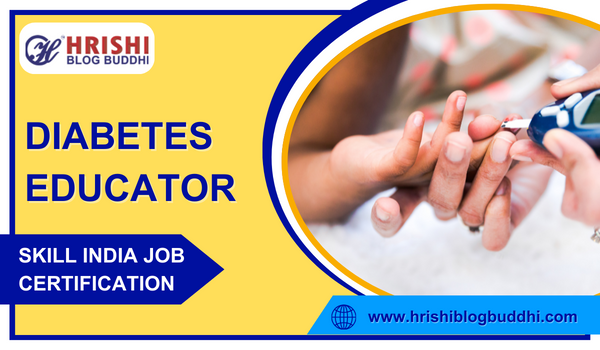
Your step-by-step Guide on how to become diabetes educator
Share this post
Introduction
If you’re interested in how to become a Diabetes Educator, this guide is for you. Diabetes Educators provide advice on situations of both intrinsic and acquired diabetes. These healthcare practitioners, the majority of whom are professional nurses, also use their knowledge to increase laypeople’s health literacy. The Diabetes Educator should diagnose and treat present and potential diabetes cases, teach self-management approaches, and monitor medication adherence. To improve well-being, you should also encourage diabetes knowledge in public spaces. These professionals may also spend time giving drugs, instructing patients, and monitoring insulin levels in patients. They must have the necessary experience and qualifications for the practice. If you’re keen on learning how to become a Diabetes Educator, continue reading for more insights.
Job Description
Diabetes educators support people who are at risk of getting diabetes and work with them to improve their health. Diabetes educators are responsible for educating patients in a variety of healthcare institutions. Their job also involves establishing healthy lifestyles for patients, implementing diabetes screening programs, and aiding other healthcare professionals. Continue reading to learn more about the tasks and responsibilities of a Diabetes Educator.
Roles & Responsibilitites
- They are in charge of determining cases of prospective and fully-fledged diabetes.
- They provide diabetic therapy and monitor adherence to it.
- They educate patients and their families about proper diabetes treatment.
- They guarantee appropriate recording of all patient visits and maintain a database, mailing list, or phone book to assist education initiatives.
- They also emphasize the necessity of relevant lifestyle adjustments.
- They also teach patients how to use tools such as insulin pumps and blood glucose meters.
- Through active and respectful cooperation, they must deepen existing interdisciplinary networks.
- Educators lead support groups for those who are affected.
- They also collaborate with medical personnel to promote proper diabetes care.
- Their duty includes ensuring that you keep your license by following all of the rules and regulations.
- An educator evaluates patients' dietary requirements and develops nutritional care programs for them.
- They also ensure that proper and timely documentation is included in the patient's medical record following individual consultation.
- They work with people who have diabetes or who are at risk of getting it.
- They carry out diabetes treatment activities and keep track of patients' progress.
Education and Training
- A Bachelor's degree with specializations in a relevant subject is necessary to become a diabetic educator.
- They must have finished a professionally recognized Diabetes Education training program.
- A professional experience with at least 1000 hours of diabetic self-management instruction is also required.
Skills and Abilities
- Strong communication skills and a positive mindset are required.
- Educators must be able to communicate difficult medical subjects to patients and their families in a way that they can grasp.
- To handle patients, an educator should have well-honed interaction and managing skills.
- They should be able to operate in a team atmosphere and collaborate with people across disciplines within the department/work unit.
- Educators should have knowledge and abilities in diabetes management and acute care nursing.
- The instructor should be able to take basic vital indicators, such as blood pressure.
- They must also have the physical dexterity to work with a variety of tools and equipment.
- They should have a compassionate and change-inspiring attitude.
Work Environment
Salary
The income may vary depending on where they work and what industry they work in. A Diabetes Educator’s pay might range from 205k and 334k.
Conclusion
To be a successful diabetes educator, you should take a proactive, evidence-based approach to treatment and advocacy. Finally, an excellent certified diabetes educator will reduce barriers to treatment adherence. You must have a thorough awareness of the most recent diabetic research in the medical profession. You’ll also need good communication skills to communicate medical facts to patients who don’t have a medical background.
According to the US Bureau of Labor Statistics, employment prospects for diabetes educators are predicted to grow by 19% between 2012 and 2022. As a result, working as a Diabetes Educator will be advantageous.
FAQs
Q1: What is the role of a Diabetes Educator?
Q2: What qualifications are needed to become a Diabetes Educator?
Q3: What skills are needed to become a Diabetes Educator?
Q4: What are the responsibilities of a Diabetes Educator?
Q5: How can one become a Diabetes Educator?
Didn't find the right info?? Looking for a specific topics??
Explore Career Opportunities
Social Work and Community Health
Skill India Sector Blogs Get insights...
Read MoreHealthcare Management
Skill India Sector Blogs Get insights...
Read More