Online Courses A great way for...
Read More
 Skip to content
A great way for students to enhance their online education knowledge! Discover wide range of free & paid emerging online course informative topics covering different subjects such as course insights, benefits, training alternatives and opportunity to earn online certificate.
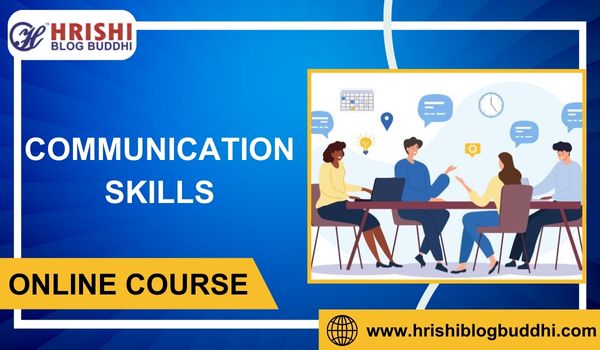
Communication is the act of transferring information from one person to another. We transfer our information through the different types of communication such as verbal, written, visually, or non-verbally. And we communicate with each other by using a combination of communication skills.
To communicate well you need to have communication skills because communication skills benefit you to understand and be understood by others. It helps to express in a positive and clear manner while speaking or writing. Some people are masters with communication skills and some not, but if needed anyone can claim to have mastered it. There are many things that you can do fairly easily to improve your communication skills and ensure that you are able to transmit and receive information effectively.
In the digital age, effective communication skills are more critical than ever. Whether you’re a professional aiming to climb the corporate ladder, a team leader striving to inspire your group, or an individual seeking to build stronger personal relationships, honing your communication skills can be a game-changer. This blog post delves into the essence of communication skills, offering insights and actionable strategies to enhance your interaction prowess.
The Essence of Communication Skills Communication skills encompass more than just the ability to speak or write. They involve active listening, non-verbal communication, empathy, and the ability to tailor your message to your audience. Mastering these skills can lead to improved relationships, increased professional success, and a deeper understanding of the world around you.
1. Active Listening Active listening is the foundation of effective communication. It involves fully concentrating on the speaker, understanding their message, responding thoughtfully, and remembering the information. To improve your active listening, practice focusing entirely on the speaker, avoiding distractions, and reflecting on what’s being said.
2. Non-Verbal Communication Your body language, facial expressions, and tone of voice can speak volumes. Being aware of your non-verbal cues and interpreting others’ can enhance mutual understanding in any interaction. To improve, maintain eye contact, observe others’ body language, and be mindful of your own.
3. Empathy and Understanding Empathy allows you to connect with others on a deeper level, fostering trust and openness. By genuinely trying to understand others’ perspectives, you can respond more effectively and build stronger connections.
4. Tailoring Your Message Adapting your message to your audience is crucial. Consider the listener’s knowledge, interests, and emotional state when communicating. This tailored approach ensures your message is received and understood as intended.
Incorporating Media Elements Enhancing your communication with visuals, presentations, or other media can make your message more engaging and memorable. Utilize high-quality images, graphics, or videos to support your points and engage your audience.
Conclusion Effective communication is an art that requires continuous learning and practice. By focusing on active listening, non-verbal cues, empathy, and audience-awareness, you can significantly improve your interpersonal skills, enhancing both your personal and professional life.
Online Courses A great way for...
Read MoreOnline Courses A great way for...
Read MoreOnline Courses A great way for...
Read MoreOnline Courses A great way for...
Read More