Online Courses A great way for...
Read More
 Skip to content
A great way for students to enhance their online education knowledge! Discover wide range of free & paid emerging online course informative topics covering different subjects such as course insights, benefits, training alternatives and opportunity to earn online certificate.
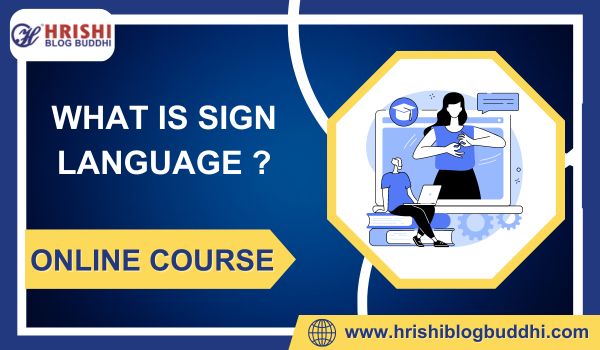
Sign language serves as a profound mode of communication, particularly prevalent in Deaf communities, offering an alternative to spoken language for individuals with hearing impairments. It becomes a conduit for meaningful exchanges between family and friends, employing hand movements, shapes, facial expressions, and lip patterns to convey thoughts effectively.
Sign Language is a comprehensive and nuanced form of communication used predominantly by the deaf and hard-of-hearing community. Unlike spoken languages, sign language utilizes hand gestures, facial expressions, and body language to convey meaning. Each country or region often has its own distinct sign language, with American Sign Language (ASL) and British Sign Language (BSL) being among the most widely recognized. Understanding and learning sign language not only bridges the communication gap with the deaf community but also fosters inclusivity and respect in our diverse society. It’s an essential tool for educators, healthcare professionals, and anyone looking to engage more profoundly with those who rely on this form of communication. Recognizing the importance of sign language is pivotal in promoting equal opportunities and enhancing the lives of those who use it.
Delving into what is sign language, it becomes apparent that it goes beyond mere communication. Sign language for help is an integral aspect, offering assistance and support in various situations. Understanding sign language help is crucial, not just for the Deaf but for anyone seeking effective communication.
In the vast landscape of sign language in communication, the intricate dance of hand movements and expressions plays a pivotal role. Sign language and communication are intertwined, creating a rich tapestry of expression and understanding. Learning sign language to communicate is a journey toward inclusivity and shared understanding.
Examples of Sign Language:
For those learning to sign, each gesture unfolds as a new word, a new avenue of language for the deaf. Consider the beauty of an example of sign language, a visual symphony that transcends auditory boundaries. A simple picture in sign language can convey a profound message, illustrating the depth of sign language a as a universal language.
Examples of Basic Sign Language Signs:
The foundations lie in the comprehension of basic sign language signs. These signs become the building blocks of effective communication, helping bridge the gap between the Deaf and hearing worlds. Each sign language for the deaf becomes a bridge of understanding, a connection formed through the language of hands
In exploring the word in sign language, we uncover a form of communication that extends beyond spoken words. The signs language weaves a narrative, allowing individuals to communicate with depth and nuance. The ability to help me in sign language or express the sign for help in sign language becomes a powerful means of assistance in times of need.
Beyond the Deaf community, deaf and sign language open avenues for enriching communication. Understanding sign language for deaf individuals becomes a step toward a more inclusive society. The intricacies of words in sign language reflect the linguistic richness of sign language of deaf individuals, shaping their unique form of expression.
Infants and sign language forge connections early in life, showcasing the adaptability of young minds to finger language signs. For those learning to sign, grasping the sign language for hearing impaired becomes an essential skill, fostering effective communication in diverse settings.
A simple hello in sign language transcends cultural and linguistic barriers, embodying the universality of communication sign language. The ability to help sign language becomes a beacon of assistance, creating a supportive environment for those navigating the intricacies of sign language .
As individuals embark on the journey to signing language, they discover a world where sign language pictures speak volumes. Conversations unfold with the question of sign language how are you, prompting an exploration of feelings and emotions through expressive gestures. The endeavor to learn in sign language becomes a pathway to understanding the profound meaning of sign language.
Recognizing the importance of learning through experience asl, educators embrace ASL language signs to foster inclusive education. Beyond words, the benefits of co-education asl become evident, creating environments where diverse forms of communication thrive. The call to help me sign language resonates in classrooms, where how are you sign language becomes a common greeting.
In essence, sign in communication extends beyond words; it’s a dynamic and expressive communication form that transcends auditory limitations. Understanding what is ASL broadens horizons, offering a glimpse into the rich tapestry of hearing impaired sign language. The beauty lies not just in the hands but in the profound sign language with hands, where every gesture tells a story.
Online Courses A great way for...
Read MoreOnline Courses A great way for...
Read MoreOnline Courses A great way for...
Read MoreOnline Courses A great way for...
Read More